Ramping up quickly to establish a design foundation and ship a 0 → 1 feature that helped close a multi-$mil deal
Clarity Security
EXECUTION:
Product Design • UX • Visual Design • Systems Thinking
PRODUCT SPACE:
B2B SaaS • Identity Governance • Enterprise Security • IGA
ENGAGEMENT:
Principal Product Design Manager • IC Design Director

Enterprise credibility established: We were now on solid footing to compete for large-scale IGA deals
Project gallery
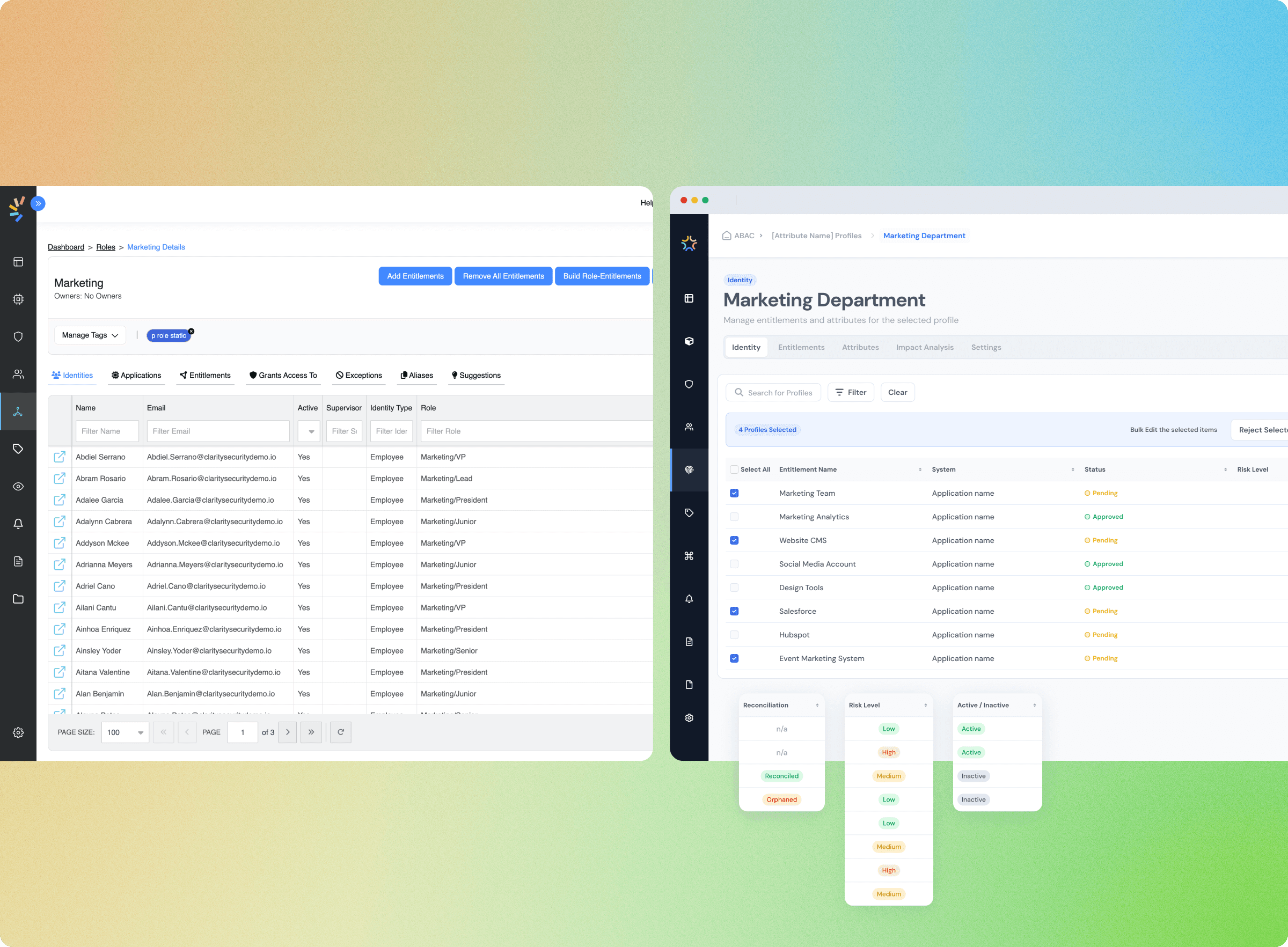
The Challenge
The Stakes:
Clarity was in active negotiations with customer for a multi-million dollar contract. To close, we needed to prove we could deliver sophisticated Identity Governance functionality to compete with established players like Okta and SailPoint. Building and shipping ABAC, a dynamic, attribute-driven access control system, was key to demonstrating our platforms value.
The Constraints:
Unfamiliar domain: I was new to IGA, and ABAC itself isn't widely adopted, so there few design patterns to reference
High complexity: Designing for 50,000+ user organizations with nested profiles, compliance requirements, and real-time access decisions
Tight timeline: Three months from start to production-ready beta
Solo designer: I was the only product designer on the project
The Approach
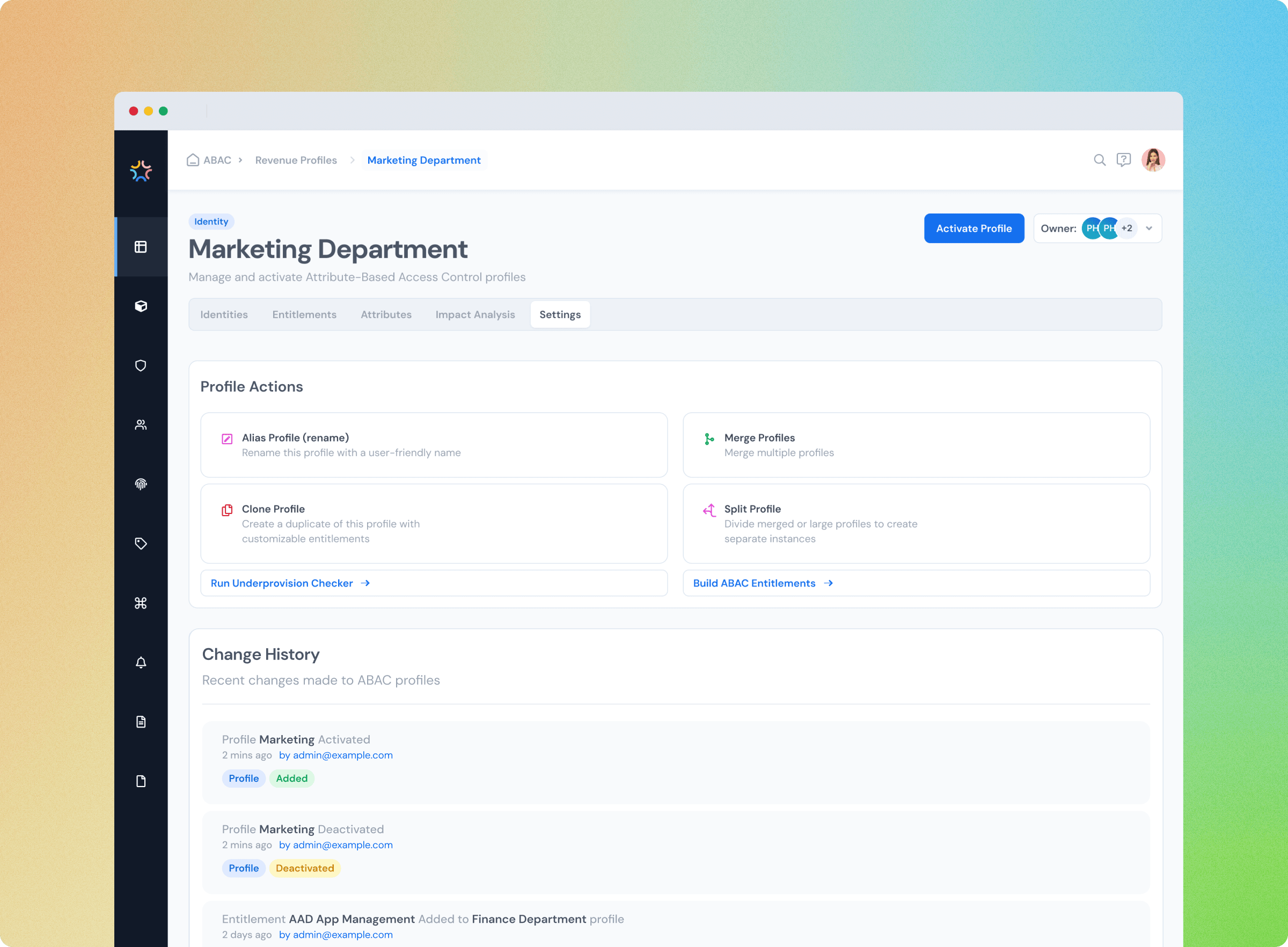
I landed my first couple of quick design wins in my role without a design system in place. This was a critical gap that needed to be closed before major feature work occurred, of course. So I spent my first few months establishing Sentinel, our design system. This gave us consistent design patterns to build from, allowing my front-end engineer to move quickly and make smart decisions without need for my constant input, I needed to set him up for success.
Details
Translating Complexity Into Clarity
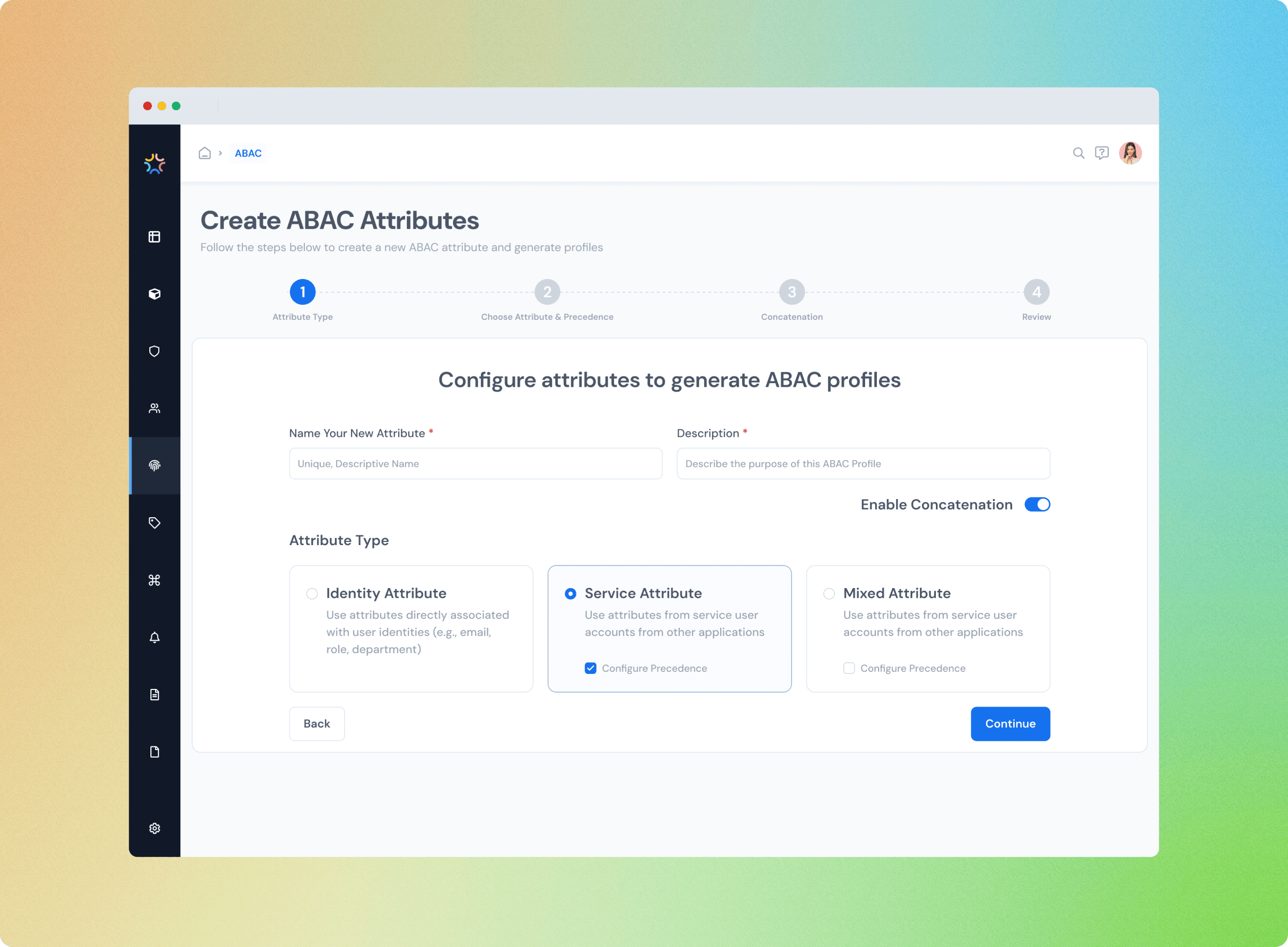
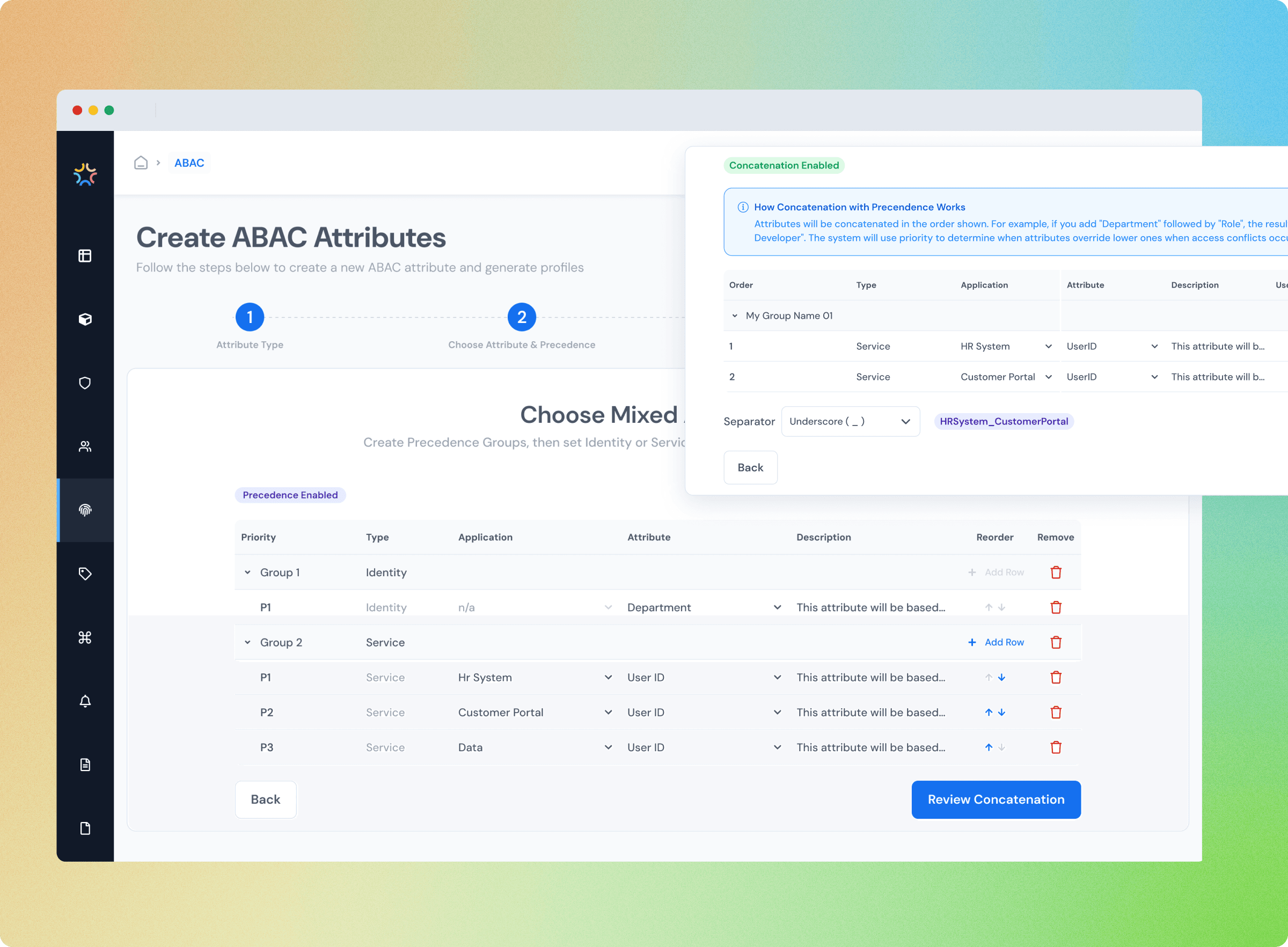
ABAC controls access based on a combination of attributes about the user, the resource, the action, and the environment. Our customers use ABAC to help automate the process of granting access to secure environments, both physical and digital. This cuts down on the amount of tickets and hands-on time IT leaders and their staff need to dedicate to managing access
I used AI to help accelerate my understanding
To quickly grasp the feature's scope and architecture, I used AI vibe-code tooling to generate a wireframe prototype directly from our PRD. This compressed what could have been a week of exploration into a couple of days, giving me immediate visualization of the structure and a tangible starting point for user journey conversations. The AI-generated prototype didn't in any way influence the final design, but it helped me focus on the nuanced connections and interactions of the complete user flow. It was like having a living flow-chart.
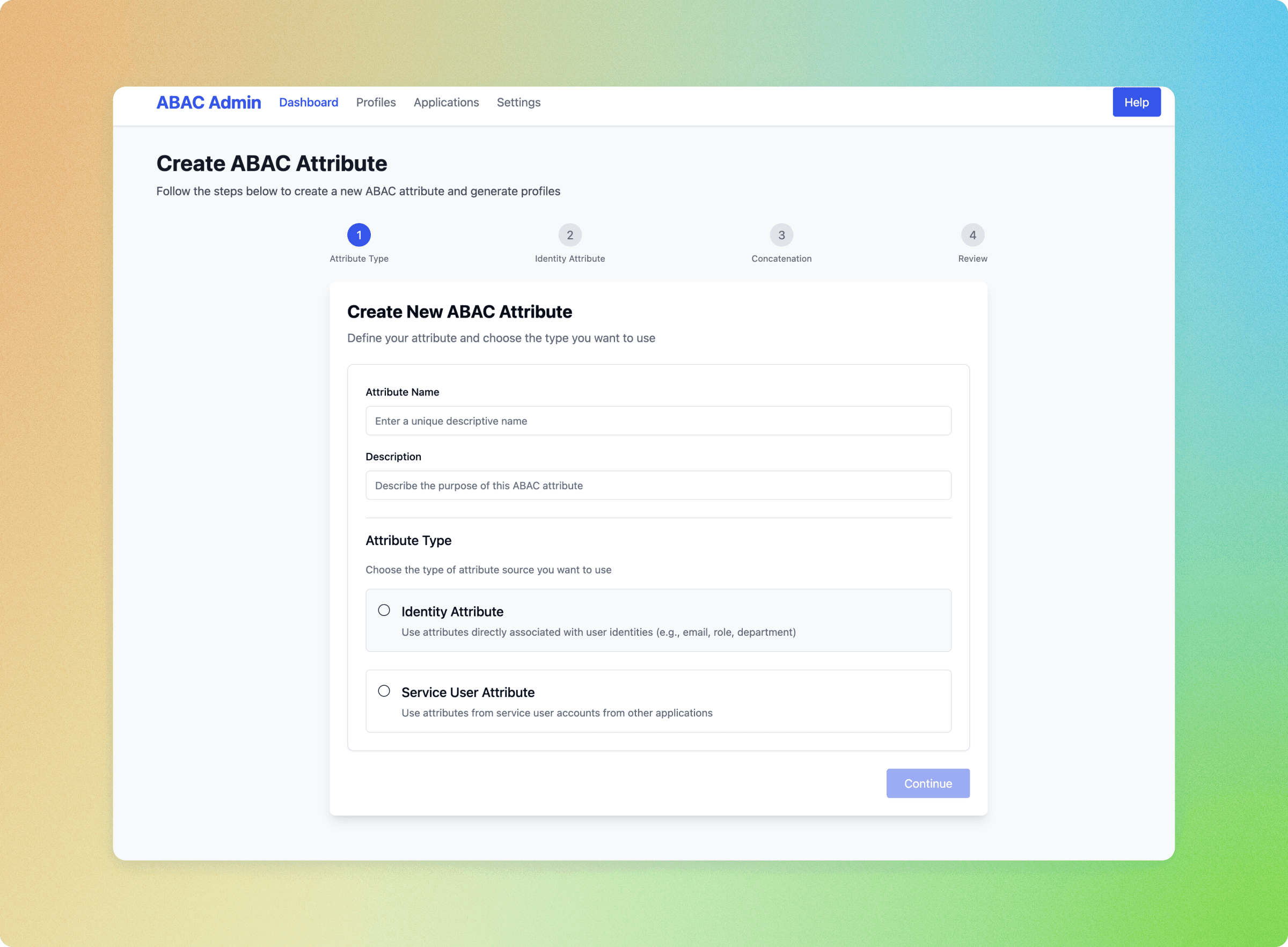
I vibe coded the full flow in an initial wireframe
Quickly shifting into hi-fidelity
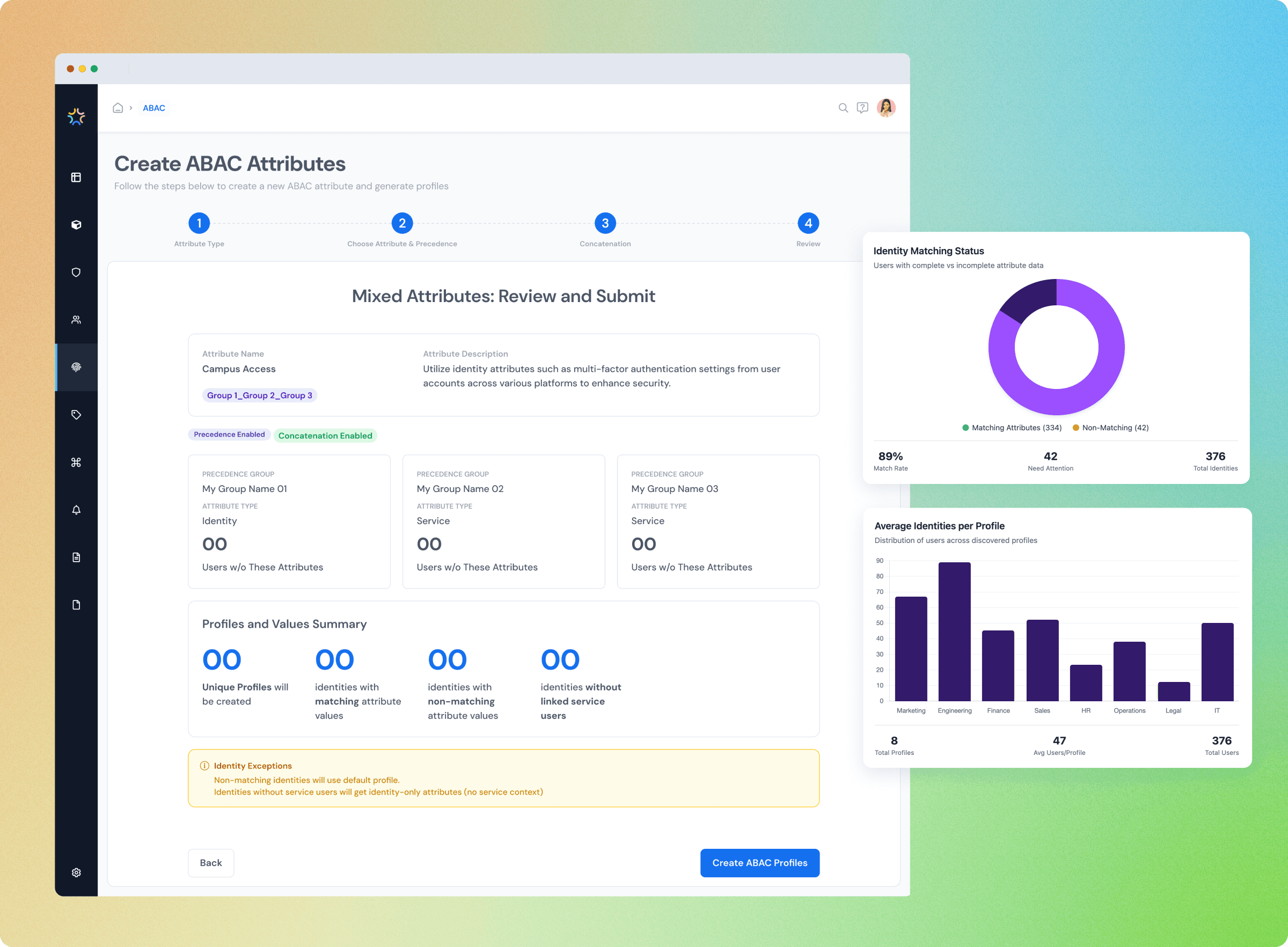
I found this process made it easy to quickly shift into hi-fidelity design. It helped uncover a lot of interactions and patterns that didn't exist in the platform at the time. Armed with our freshly developed design system, I was able to rapidly identify and develop all of the new design patterns this feature would require. Once I had screens for the complete flow designed, I again turned to my vibe-code tools to build interaction demos to share with my dev team and other stakeholders.
Collaboration
I worked closely with:
Product leadership to align design with customer needs and competitive positioning
Engineering to scope realistically given the three-month timeline
Beta customers to gather feedback and refine the experience
The design system work meant my engineer and I could iterate quickly, using a shared language and component library to solve problems without reinventing patterns each time.
The Outcomes
Product:
Production-ready ABAC feature deployed to three beta customers in three months
Core functionality: rapid and dynamic profile creation, real-time profile coverage evaluation, advanced filtering, profile management
Business:
Closed a muti-$M deal which was contingent on delivering a robust ABAC product
After we announced the release of our ABAC product, we saw a 189% increase in pipeline, as the deal validated Clarity's enterprise capabilities
Enterprise credibility established: We were now on solid footing to compete for large-scale IGA deals
Team:
Fast, autonomous execution enabled by design system
Scalable design foundation for future features
Demonstrated the advantages of incorporating AI into our design workflow
Leadership
In my first months at Clarity, I could have jumped into ABAC immediately. Instead, I invested in building the foundation our design system, Sentinel, that would make my engineer and me more effective over the long run. That decision paid off in speed, quality, and team confidence.
This project also reinforced a core belief: complexity is an opportunity, not a barrier. ABAC was unfamiliar, technical, and high-stakes. But by breaking it down systematically, collaborating closely, and trusting the foundation we'd built, we turned a daunting challenge into a competitive advantage.
When design leadership is done right, it doesn't just solve problems, it creates the framework for teams to solve problems faster and better in the future.